Colorado Hail Season Checklist: How to Prepare Your Home Before the Next Storm
Colorado's Front Range experiences some of the most severe hailstorms in the country.
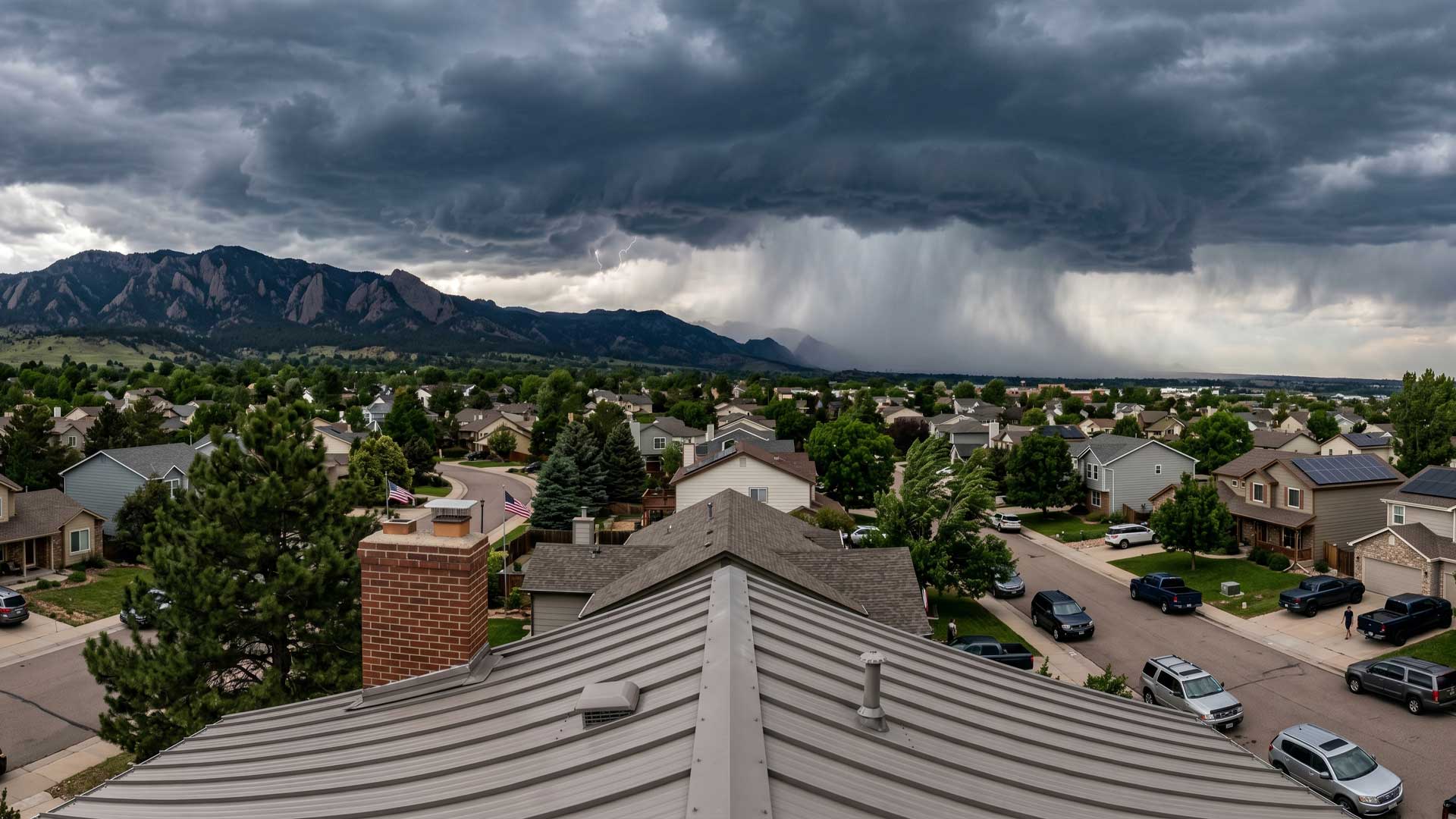
Colorado's Front Range experiences some of the most severe hailstorms in the country. Every year, homeowners and property managers across Denver, Arvada, Lakewood, Littleton, Parker, and surrounding communities face costly damage from hail, high winds, and heavy rain.
The challenge isn't just the storm itself—it's how quickly conditions can change. Once a severe thunderstorm warning is issued, there may only be minutes to prepare.
Whether you own a home, manage rental properties, or oversee commercial buildings, taking a few preventative steps before severe weather arrives can help reduce damage, protect your property, and make the insurance claims process much easier if a storm does hit.
Use this checklist to prepare before the next Colorado hailstorm arrives.
Why the Front Range Is Uniquely Vulnerable
Colorado sits at the intersection of warm Gulf moisture and cold Rocky Mountain air — a recipe that produces some of the largest hailstones recorded in the U.S. “Hail Alley,” the corridor running from Nebraska through eastern Colorado and into Texas, places metro Denver squarely in high-risk territory. Add the region’s notorious high-wind events (gusts exceeding 100 mph have been recorded along the foothills) and property owners here face a double threat every spring and summer.
Understanding that risk is the first step. Acting on it, before the skies turn green, is the second.
Your Roof is the First Line of Defense
Your roof absorbs the full impact of hail, wind, rain, and flying debris during severe weather. Even minor pre-existing issues—such as loose shingles, damaged flashing, or aging roof components—can become major leaks after a storm.
Before Colorado's peak hail season arrives, take a few minutes to visually inspect your roof from the ground. Look for missing shingles, lifted edges, damaged vents, or any areas that appear uneven. If your roof is more than 10 years old or has experienced previous storm damage, consider scheduling a professional inspection before severe weather season begins.
Identifying vulnerabilities before a storm is often far less expensive than dealing with emergency repairs afterward.
Residential Homeowner Checklist
Walk your roofline visually. Look for any shingles that are already lifted, cracked, or missing; storm damage compounds existing vulnerabilities. If you can’t safely do this yourself, call a professional before a storm is in the forecast.
Clear your gutters and downspouts. Debris-clogged gutters turn heavy rain into a waterfall against your fascia and foundation. This takes 30 minutes and prevents thousands in water damage.
Bring in or secure all outdoor furniture, umbrellas, and décor. In a 70+ mph wind event, patio furniture becomes a projectile. Anchor what you can’t bring inside.
Trim dead or overhanging branches. Dead limbs over your roof or driveway are a major hail-season hazard. Have an arborist evaluate any tree within striking distance of your home.
Move vehicles into a garage if at all possible. A single hailstorm can total an unprotected car. If no garage is available, a hail protection cover is a worthwhile investment for Front Range residents.
Check your fencing. Loose or aging fence panels will not survive high winds — and a downed fence into a neighbor’s yard can create liability issues.
Take a pre-storm photo inventory. Walk your property and photograph the current condition of your roof, siding, gutters, and HVAC equipment. Date-stamped photos are invaluable if you need to file a claim.
Pro Tip: Colorado’s hail season peaks between May and September, with the highest frequency of large-hail events occurring in June and July. The best time to schedule a professional roof assessment is April – before insurers and roofers are overwhelmed with post-storm demand.
After the Storm: What to Do First
Once the storm has passed and conditions are safe, begin with a ground-level inspection of your property. Avoid climbing onto your roof, as storm damage can make roofing surfaces unstable and dangerous.
Look for common signs of hail and wind damage, including:
Dented gutters and downspouts
Missing, cracked, or lifted shingles
Granule loss from asphalt shingles
Damaged roof vents or flashing
Cracked skylights or window screens
Dents on air conditioning units and other exterior equipment
Fallen tree limbs or debris on the roof
Take photos of any visible damage before beginning cleanup. Thorough documentation can be extremely helpful if you need to file an insurance claim.
Not all storm damage is visible from the ground. Hail can create bruising beneath shingles that may shorten the life of your roof without causing immediate leaks. A professional inspection can help identify hidden damage before it becomes a larger issue.
Frequently Asked Questions About Colorado Hail Season
When is hail season in Colorado?
Colorado's hail season typically runs from April through September, with the highest concentration of severe hailstorms occurring between May and August. Along the Front Range, June and July are often the most active months for large hail events.
How large can hail get in Colorado?
Colorado regularly experiences hail ranging from pea-sized to golf ball-sized, and in some storms, hailstones can exceed two inches in diameter. The Front Range is part of "Hail Alley," one of the most hail-prone regions in the United States.
Can hail damage my roof even if it doesn't leak?
Yes. Hail can bruise shingles, dislodge protective granules, damage flashing, and weaken roofing materials without causing an immediate leak. In many cases, storm damage may not become noticeable until months later.
Should I have my roof inspected before hail season?
A professional roof inspection before storm season can help identify existing vulnerabilities such as loose shingles, damaged flashing, or aging materials. Addressing these issues before severe weather arrives can help reduce the risk of more significant storm-related damage.
What should I do immediately after a hailstorm?
Once it is safe to go outside, inspect your property from the ground and document any visible damage with photos. Look for dents in gutters, damaged siding, missing shingles, broken windows, or damage to outdoor equipment. Avoid climbing onto your roof and consider scheduling a professional inspection if damage is suspected.
How soon should I get my roof inspected after a hailstorm?
If your neighborhood experiences significant hail or high winds, it is a good idea to schedule an inspection as soon as conditions are safe. Some forms of hail damage are difficult to identify from the ground and may not become apparent until later.
Will homeowners insurance cover hail damage?
Most homeowners insurance policies cover sudden storm-related damage, including hail damage to roofing systems. Coverage can vary by policy, deductible, and carrier, so homeowners should review their policy details and document any damage before filing a claim.
Why is the Colorado Front Range so prone to hail?
The Front Range sits at the intersection of warm, moisture-rich air from the south and cooler air descending from the Rocky Mountains. This combination creates ideal conditions for severe thunderstorms capable of producing large hail, high winds, and heavy rainfall.
Is Colorado one of the most hail-prone states in the U.S.?
Yes. Colorado sits within "Hail Alley," a region known for frequent severe hailstorms. Communities along the Front Range regularly experience hail events capable of damaging roofs, siding, gutters, vehicles, and solar panels.
Schedule a Pre-Storm Roof Assessment
Storm season on Colorado's Front Range is unpredictable, but preparing your property doesn't have to be.
Peak Roofing and Solar has helped homeowners, HOAs, property managers, and commercial building owners navigate Colorado's severe weather for more than eight years. Our team provides professional roof inspections, storm damage assessments, and repair recommendations designed to help property owners stay ahead of costly damage.
If severe weather is forecast for your area—or if you'd simply like peace of mind before hail season peaks—contact Peak Roofing and Solar to schedule a complimentary roof assessment.
No pressure. No obligation. Just expert guidance from a local team that understands Colorado storms.
About Peak Roofing and Solar
Peak Roofing and Solar has been protecting homes and commercial properties across the Colorado Front Range for 8 years. If a storm is in the forecast for your neighborhood, or you want a professional assessment of your current roof condition, we’re happy to take a look: No pressure, no obligation. Reach out to our team before the next one hits.
Last updated: June 5, 2026
BBB A+ Rated • Licensed & Insured
Free Inspection and Estimate
Raising the Standard in Roof Repair
Peak Roofing and Solar helps Colorado property owners get clarity fast, whether the roof needs a storm inspection, leak repair, insurance claim support, or a replacement estimate.
Residential Roofing
For homeowners who want a trusted local team, a clear estimate, and a simple roof process from inspection to cleanup.
Storm, hail, and wind damage inspections
Leak repair, aging roof repair, and replacement guidance
Instant estimate path using satellite roof measurements
We've got you covered. Complete the short form below and our team will follow up to discuss potential roof damage, repair, inspections or insurance claim support. No pressure, just honest expertise.
Commercial Roof Consultation
Business / Property Request
Tell us about your property
No commercial roofing challenge is too complex. Fill out the form below and our team will follow up to discuss the right solution. Let's protect your investment.
Residential Roof Estimate
Request received
Pick your inspection time.
Your details are saved. Choose the time that works best and we will confirm by text. All times are Mountain Time.
Loading available times. If the calendar does not appear, call
(720) 634-6797 and we will book it for you.




.svg)

